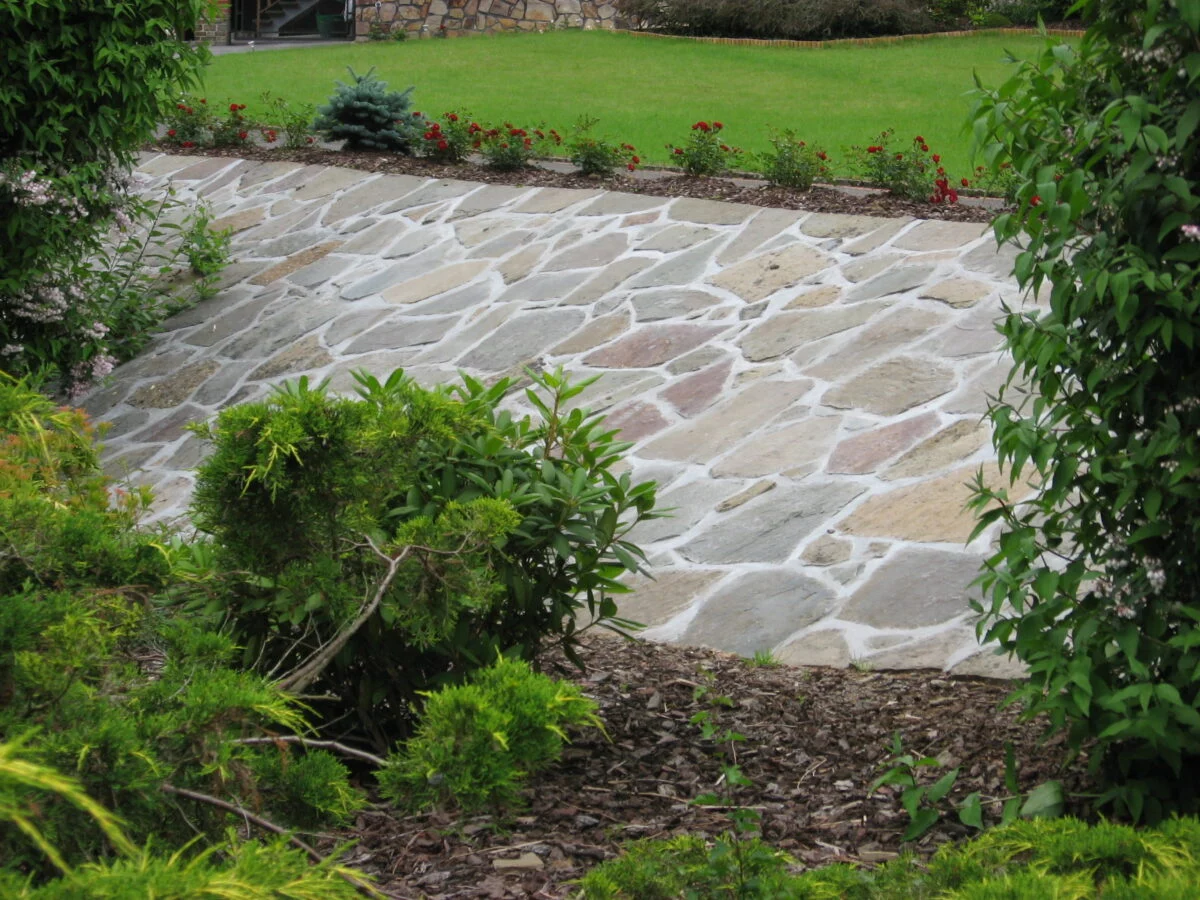
Slabs (Belgian Sandstone)
Designation:
Condroz sandstone; hard sandstone; Condroz psammite; Meuse sandstone; Famennian sandstone.
Origin:
Belgium, the valleys of the Amblève, Bocq, Hoyoux, Ourthe and Samson. Provinces of Liège and Namur.
Description:
Slightly micaceous clayey sandstone, fine-grained, of Upper Famennian stratigraphic age (Upper Devonian, Primary).
Appearance:
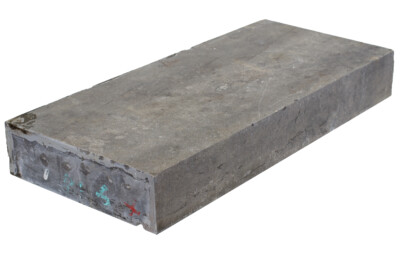
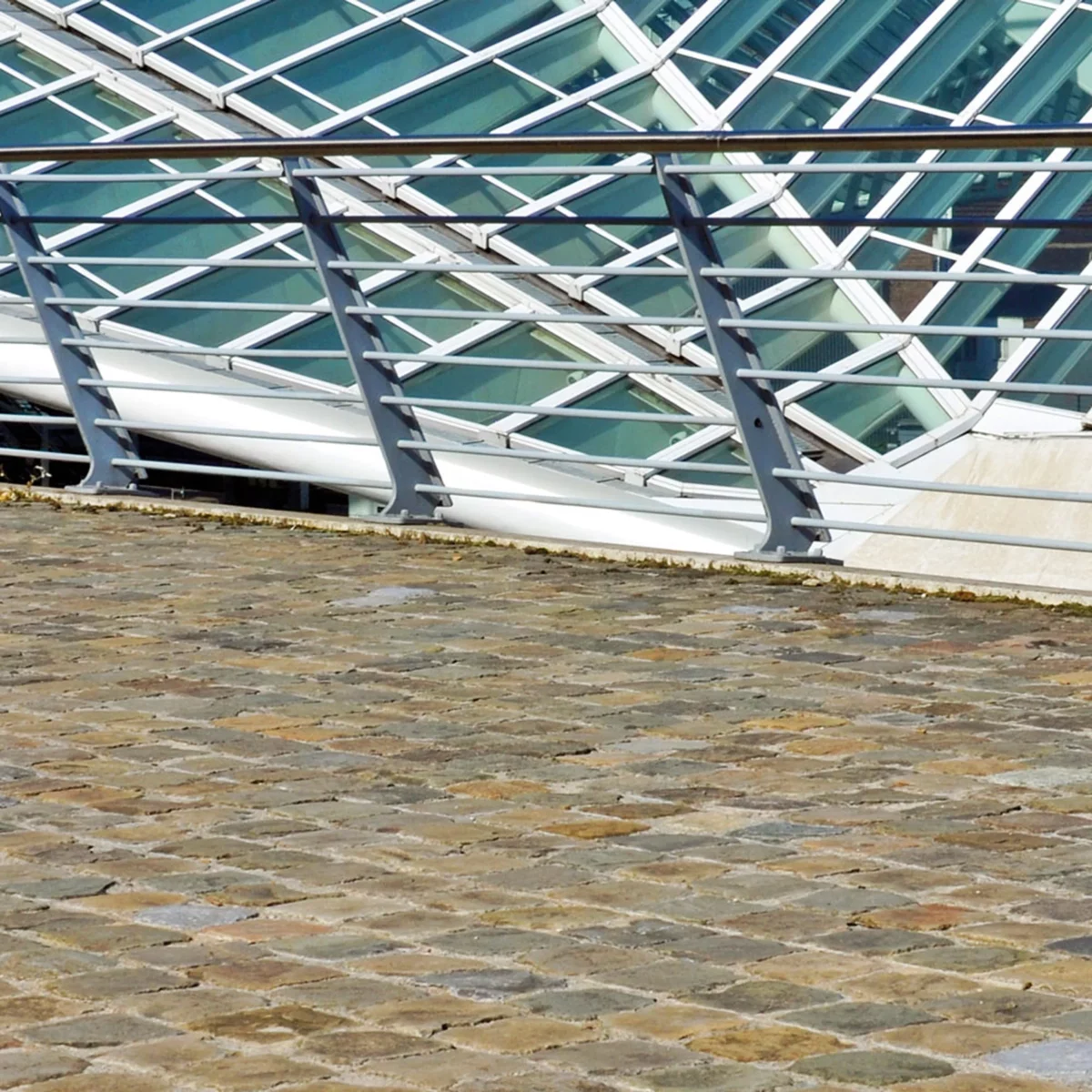
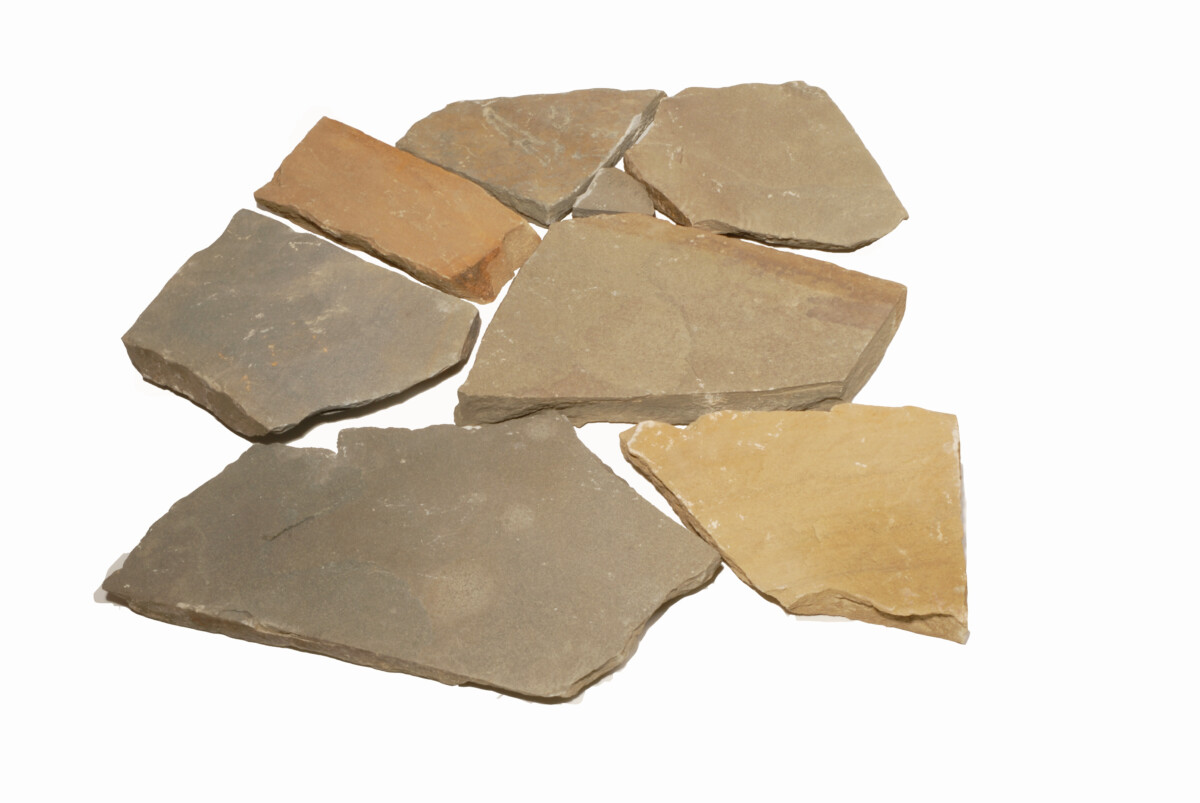
Sandstone deposits occur in an extremely varied range, with brighter shades (yellow, green, red, brown-rust) or more muted tones (from green-grey to blue-grey, wine-red, ochre, beige). The stone develops a patina that turns rust-brown when it is rich in iron, and blue-grey or greenish tones when it is rich in feldspars. While the visible face of the paver will always be split (natural), 2 of the sides may have a sawn surface.
Shades may vary depending on how the deposit is quarried.
Applications:
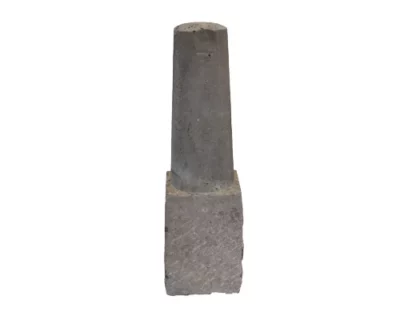
Sandstones are ideally suited to producing all types of rubble stone, steps, wall copings, corner stones, mould heads, facing stones, for both exterior and interior use. With a split surface, the rubble stone is then dressed to give it its final finish: rough, cut back, re-cut or squared. Naturally slip-resistant, sandstone is also recommended for ground surfacing: pavers, platines, slabs, edging.
Ajouter au devis
-
Dalles de grès belges -
Autres produits de la catégorie ""
-
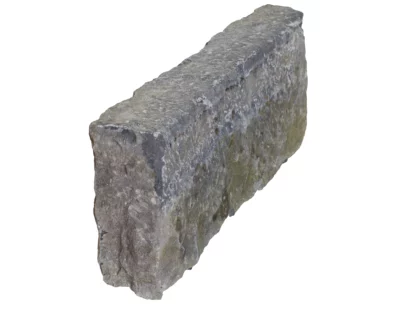
City Curb (Belgian Blue Stone)
More information- Courtyards
- Driveways & Paths
- Kerbs / Edging
- Roadworks
- Terraces
-
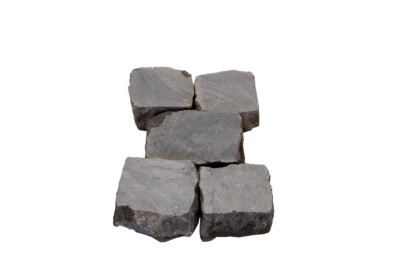
Square sawn pavers (Blue Stone)
More information- Courtyards
- Driveways & Paths
- Kerbs / Edging
- Roadworks
- Terraces
-
Other products
Randomly selected products