Mosaic Pavers (Belgian Sandstone)
Roadworks, kerbs, gravel
New Belgian Sandstone Pavers Description
Designation:
Condroz Sandstone – Hard Sandstone – Condroz Psammite – Meuse Sandstone – Famennian Sandstone.
Origin:
Belgium, Provinces of Liège and Namur: Amblève, Bocq, Hoyoux, Ourthe, and Samson valleys.
Description:
Slightly micaceous, fine-grained argillaceous sandstone, of Upper Famennian stratigraphic age (Upper Devonian, Primary).
Appearance:
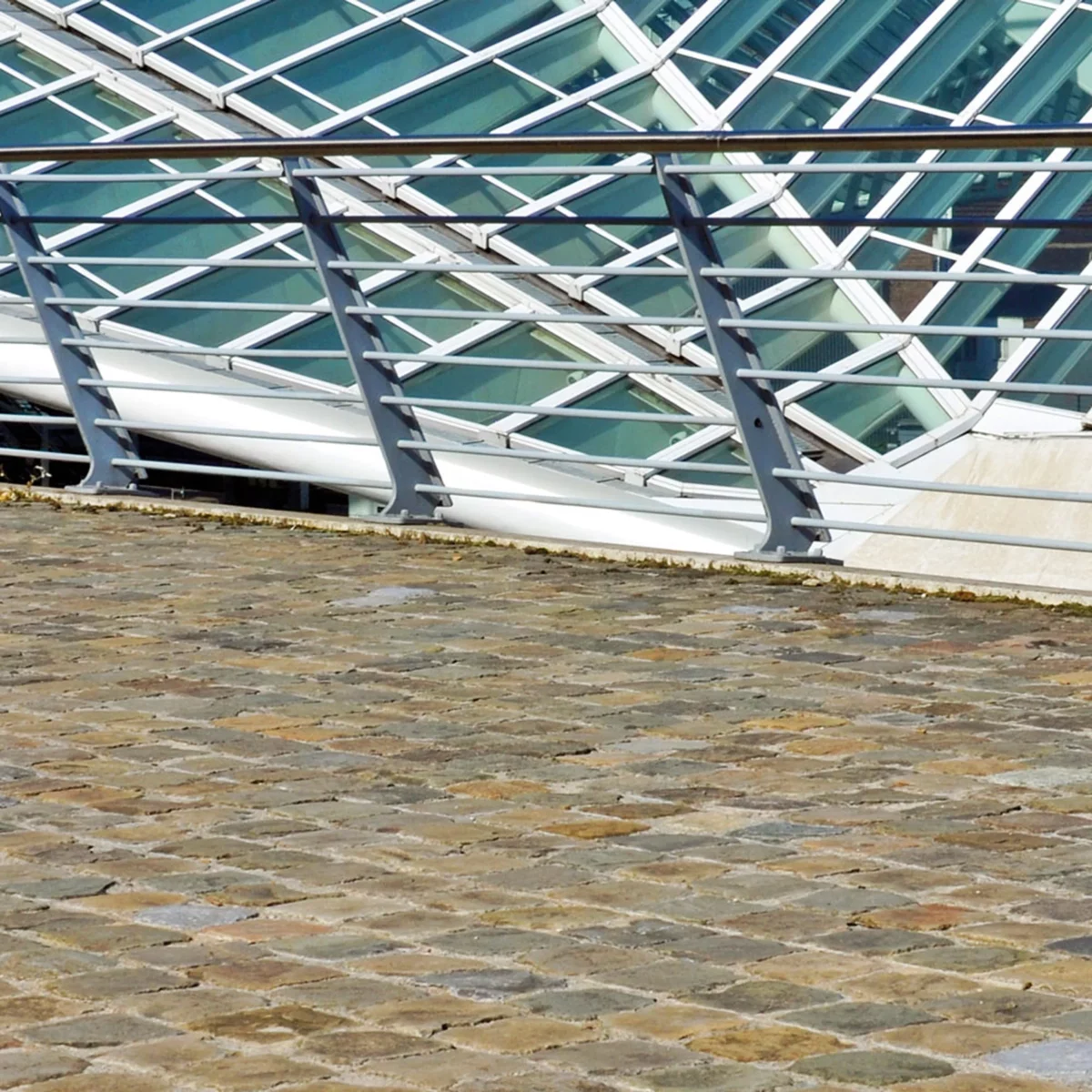
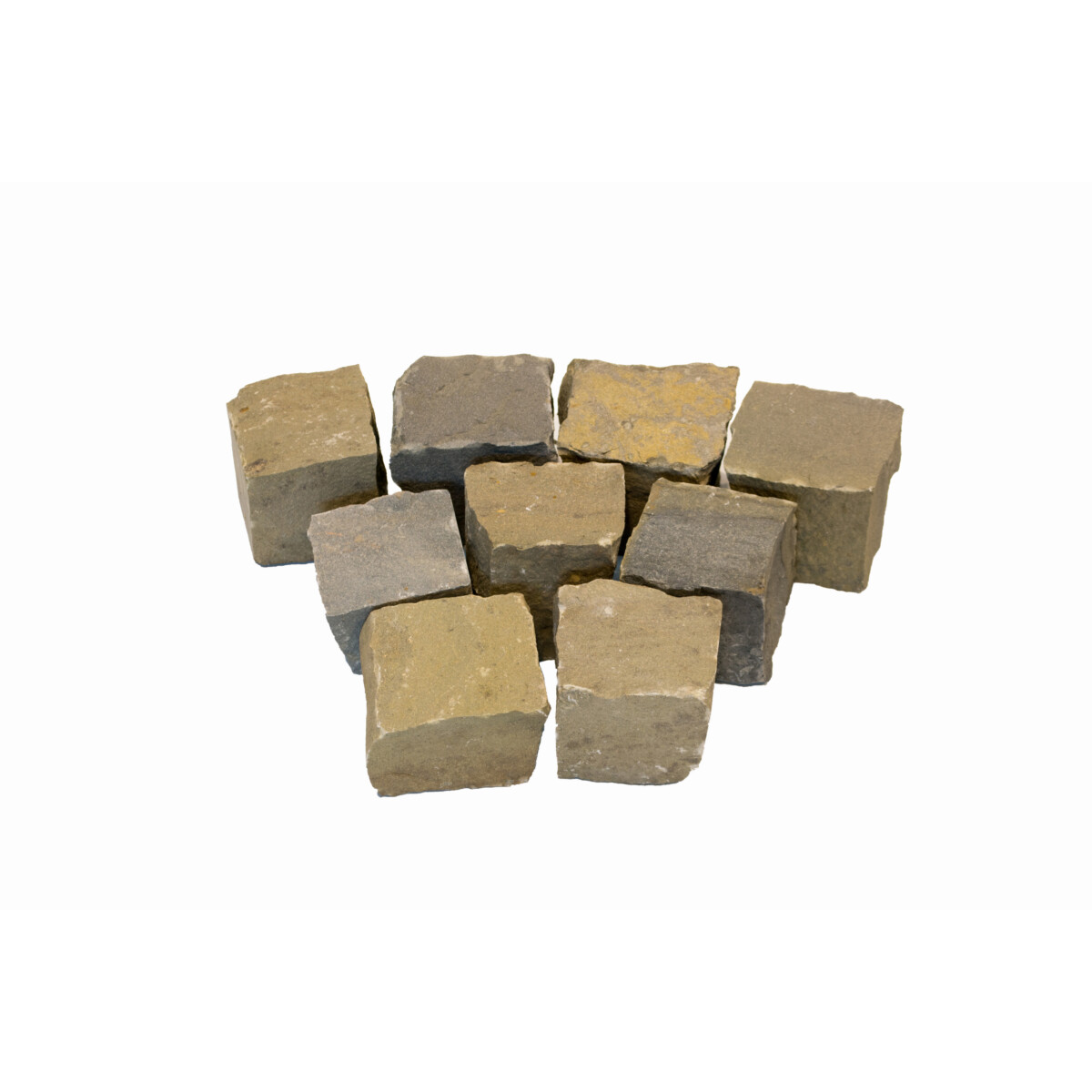
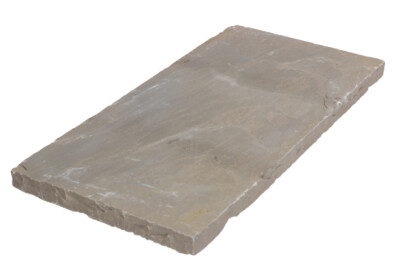
Sandstone deposits come in an extremely varied range, with brighter hues (yellow, green, red, rusty brown) or more subdued ones (from grey-green to blue-grey, wine-red, ochre, beige). The stone develops a rusty brown patina when rich in iron, and blue-grey or greenish tones when rich in feldspars. While the visible face of the paving stone will always be cleaved (natural), 2 of the sides may have a sawn surface.
Hues may vary depending on the quarrying of the deposit.
Variants:
• Mosaic pavers: 70 x 100 mm
• Square pavers: 150 x 150 mm
• Rectangular pavers: 150 x 200 mm
Applications:
Sandstones are admirably suited for the creation of all types of rubble stone, steps, coping, cornerstones, pier caps, and facing stone, for both exterior and interior use. Once surface-cleaved, the rubble stone is then rectified to give it its final finish: rough, recut, retrimmed, or squared. Naturally non-slip, sandstone is also recommended for ground landscaping: paving stones, slabs, and kerbs.
Ajouter au devis
Autres produits de la catégorie ""
Other products
Randomly selected products